Decades of experience have taught me that whether you are building a website, deploying a global enterprise system like Oracle Unifier, or editing a cinematic video, the core challenge is the same: clarity. My portfolio reflects a career dedicated to solving that challenge across multiple disciplines. I bring the technical rigor required for backend development and systems architecture, paired with the creative flair necessary for professional media and graphic design.
I don’t just "build" or "design"—I implement solutions that work in the real world. From the granular data structures of project controls to the broad strokes of brand storytelling, I leverage a deep toolkit to help organizations streamline their operations and amplify their message. If it involves code, pixels, or process improvement, I’ve likely mastered it, broken it, and rebuilt it better.
I don’t just "build" or "design"—I implement solutions that work in the real world. From the granular data structures of project controls to the broad strokes of brand storytelling, I leverage a deep toolkit to help organizations streamline their operations and amplify their message. If it involves code, pixels, or process improvement, I’ve likely mastered it, broken it, and rebuilt it better.
Work History
View Job History
A results-driven professional with +20 years of experience
| Company | Job Title | Start | End |
|---|---|---|---|
| HighPower Data Solutions | Sr. Web Engineer | Aug. 2022 | Present |
| fjorge | CMS Managed Services Developer | Sep. 2020 | Nov. 2021 |
| MPLS Convention Center | Digital Signage Tech | Apr. 2019 | Aug. 2020 |
| Faithful+Gould | Sr. Systems Consultant | Oct. 2013 | Jan. 2018 |
| Enstoa | Associate Project Controls Solution Specialist | May 2013 | Sep. 2013 |
| University Of MN | Unifier Lead | Sep. 2007 | Dec. 2010 |
| NDT Productions | Freelancer | Jun. 2003 | Present |
| JASC/Corel Software | Software Support | Aug. 2004 | Feb. 2005 |
| USBancorp Piper Jaffray | Intranet Developer Lead | Jan. 2000 | May 2003 |
Technical Skills
Developer crafting high-performance digital experiences.
It's a New World out there!
In a field that moves as quickly as Artificial Intelligence, the only constant is evolution. I prioritize staying at the forefront of this fast-growing industry by maintaining a "lifelong learning" approach to my technical stack, regularly integrating the latest breakthroughs into my workflow.
I ensure that my solutions aren't just current, but are built with the foresight to remain effective as the technology continues to shift.
I ensure that my solutions aren't just current, but are built with the foresight to remain effective as the technology continues to shift.
My A.I. Tools
The rapid evolution of Artificial Intelligence has shifted from a phase of experimental discovery to one of integrated, real-world utility. In 2026, AI is no longer just a tool for generating text or images; it has become a collaborative partner that amplifies human expertise across every industry.
Chat GPT

The arrival of ChatGPT marked a definitive "before and after" moment for the tech industry, transforming Large Language Models from niche research projects into the backbone of modern productivity.
chatGPT.comManus
Representing the next frontier of "General AI Agents," Manus marks a shift from conversational AI to autonomous task execution. Unlike traditional chatbots that require constant human guidance, Manus operates as a proactive digital analyst capable of handling end-to-end projects independently.
Manus.im
Google AI Ecosystem
Google has shifted the AI landscape from a collection of experimental tools to a fully integrated, multi-surface ecosystem. In 2026, Google’s AI strategy centers on "foundational ecosystems," where intelligence is woven into every layer of digital life—from the search bar and workspace apps to high-level cloud infrastructure.
Gemini

Gemini serves as the flagship intelligence driving the entire Google stack. As a natively multimodal model, it doesn't just process text; it reasons across code, images, video, and audio simultaneously within a single interaction.
Gemini.Google.comOpal Workflows
Opal is Google’s revolutionary no-code platform that transforms natural language instructions into functional "AI mini-apps." It bridges the gap between raw AI power and practical automation by allowing users to build visual workflows that chain together prompts, model calls, and external tools.

I use Opal to rapidly prototype agentic systems—such as lead qualifiers or content repurposing engines—that can independently research, process information, and output results directly to Google Sheets or Docs. It represents a shift toward "agentic" development, where complex business logic can be deployed in minutes without writing a single line of code.
Opal.Google.comNotebookLM

While general chatbots draw from the entire web, NotebookLM is a specialized research tool grounded entirely in the sources you provide. It eliminates the risk of "hallucinations" by acting as a personalized collaborator that only speaks from your uploaded PDFs, transcripts, and notes.
I leverage NotebookLM to transform static documentation into interactive intelligence, using features like Audio Overviews—which generate bantering, podcast-style summaries of complex material—and Interactive Mode, which allows me to "interrupt" the AI to ask deep-dive questions. It is the ultimate tool for mastering dense subjects and ensuring that AI-generated insights are 100% verified and context-specific.
Notebooklm.Google.comBuilding with A.I.
The barrier between a vision and a functional application has never been thinner. In 2026, building apps is shifting from manual coding to "Vibe Coding," where natural language and intent drive the development process.
By leveraging AI-first environments, developers can now generate full-stack architectures, handle complex backend logic, and deploy production-ready software in a fraction of the time traditional methods required.
This evolution allows me to focus on high-level system design and user experience, while autonomous tools manage the heavy lifting of code generation, database configuration, and real-time debugging.
By leveraging AI-first environments, developers can now generate full-stack architectures, handle complex backend logic, and deploy production-ready software in a fraction of the time traditional methods required.
This evolution allows me to focus on high-level system design and user experience, while autonomous tools manage the heavy lifting of code generation, database configuration, and real-time debugging.
AI Studio
Google AI Studio is my primary environment for rapid, full-stack prototyping within the Google ecosystem. It allows me to transform a single prompt into a functional web application complete with a React frontend and a Node.js backend.
The platform’s standout feature is its "Build Mode," which enables iterative development through natural language or visual annotations—allowing me to click on a specific UI element and describe the change I want to see. With deep integration into the Gemini 3 family of models, AI Studio provides a seamless path from a simple "lucky" prompt to a live, hosted application on Google Cloud Run.
AIStudio.Google.comThe platform’s standout feature is its "Build Mode," which enables iterative development through natural language or visual annotations—allowing me to click on a specific UI element and describe the change I want to see. With deep integration into the Gemini 3 family of models, AI Studio provides a seamless path from a simple "lucky" prompt to a live, hosted application on Google Cloud Run.
Caffeine.ai
For projects requiring total transparency and censorship resistance, I utilize Caffeine.ai, a revolutionary platform built on the Internet Computer (IC) blockchain. Caffeine represents the first true "self-writing" engine for decentralized apps (dApps), where every line of code—from the frontend to the smart contract logic—is generated and hosted entirely on-chain.
By removing the need for centralized providers like AWS or Azure, Caffeine allows me to build autonomous, tamper-proof applications that run on a global, decentralized "world computer." This approach ensures that the applications I create are not just AI-powered, but are inherently secure, private, and future-proof.
Caffeine.aiBy removing the need for centralized providers like AWS or Azure, Caffeine allows me to build autonomous, tamper-proof applications that run on a global, decentralized "world computer." This approach ensures that the applications I create are not just AI-powered, but are inherently secure, private, and future-proof.
Designing with A.I.
Design in 2026 has transitioned from a task of manual pixel-pushing to one of high-level art direction and "intent-based" creation. AI has become an essential partner in the creative process, allowing designers to move beyond the "blank canvas" stage instantly.
Stitch
Google Stitch has redefined the bridge between a rough idea and a functional interface. By leveraging the multimodal power of Gemini 2.5, Stitch allows me to transform simple text prompts, hand-drawn napkins sketches, or even screenshots of existing apps into high-fidelity, editable UI designs.
Stitch.withGoogle.comUizard
Uizard stands as the ultimate democratizing force in the design world, making professional-grade prototyping accessible to product managers, developers, and designers alike. Its Autodesigner 2.0 engine uses advanced AI to generate multi-screen user flows from a single sentence, complete with interactive buttons and logical navigation.
- UI Design
- UX Design
- Wireframing
- Mockups
- ProtoTyping
uizard.io- UI Design
- UX Design
- Wireframing
- Mockups
- ProtoTyping
Aura.Build
Aura (available at aura.build) is an AI-powered design platform that bridges the gap between high-fidelity UI/UX design and functional web development.
Aura.BuildHTML5 & CSS3
In today’s hyper-connected digital landscape, a professional web presence is no longer optional—it is a baseline requirement for success. Whether for a personal brand or a global enterprise, your website serves as the primary gateway to your expertise, storytelling, and value proposition.
Brouchure Sites
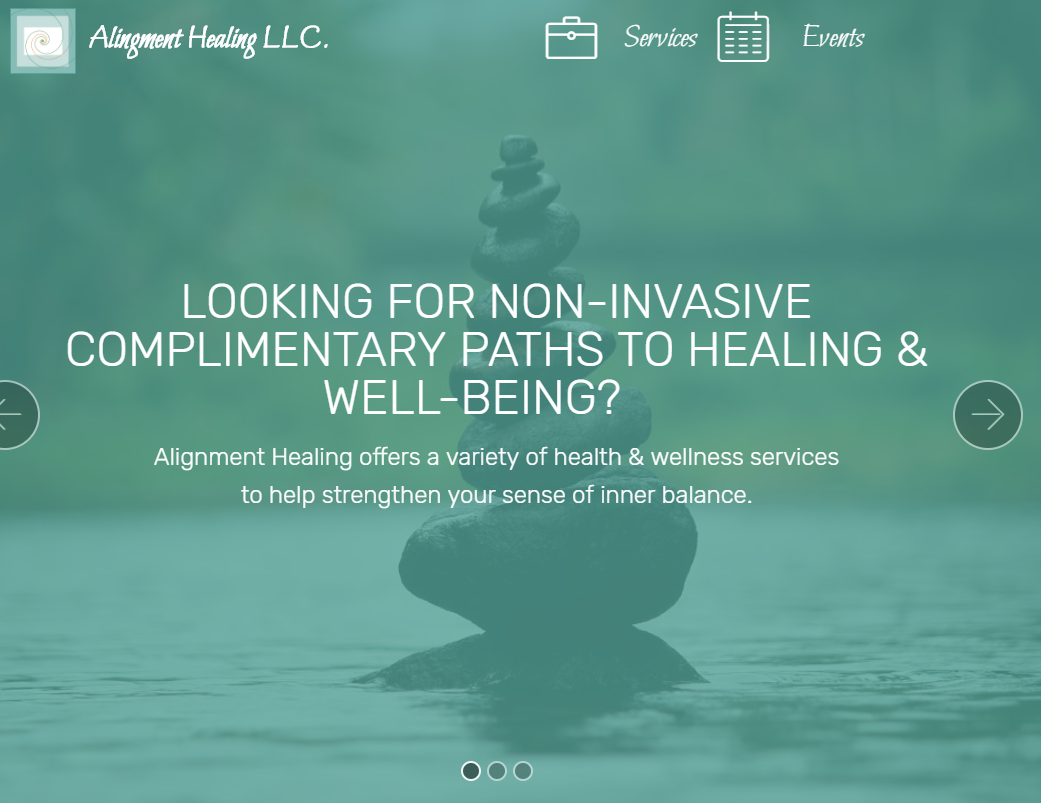
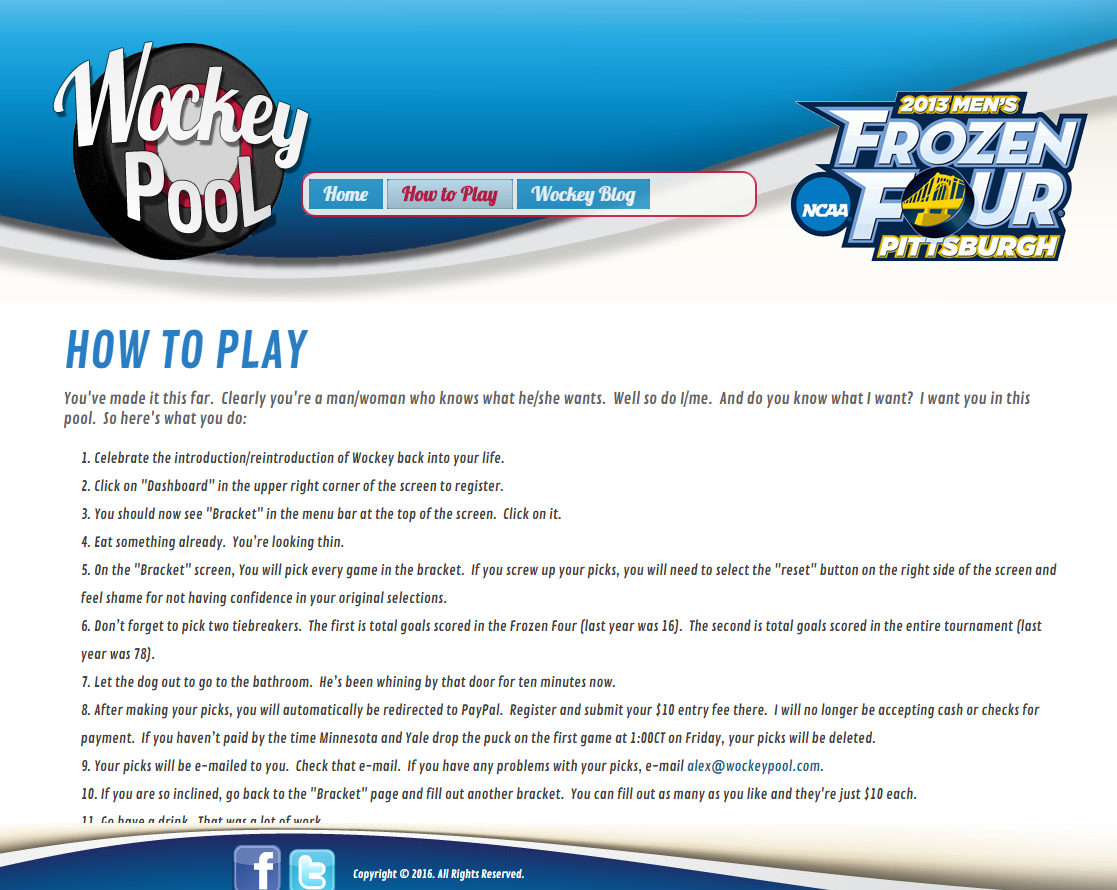
Beyond the world of complex AI agents and enterprise databases, I remain deeply committed to the foundational art of clean, high-performance web development. This section showcases a curated collection of lightweight, responsive websites built using semantic HTML5 and modern CSS3. By focusing on "vanilla" architecture, I ensure these sites achieve near-perfect SEO scores, lightning-fast load times, and a seamless user experience across all devices—from 4K monitors to mobile handsets.








JavaScript (aka The Frontend Magic)
While HTML and CSS provide the structure and style, JavaScript is the vital engine that brings a website to life. It is the essential layer of the frontend stack, transforming static pages into dynamic, interactive experiences that respond to user intent in real time. From handling complex form logic and asynchronous data updates to creating immersive UI animations,
JavaScript is the industry-standard language that bridges the gap between a design and a functional application. My approach centers on a deep understanding of Vanilla JavaScript, ensuring that I can write clean, efficient, and framework-agnostic code that remains performant across all modern browsers.
JavaScript is the industry-standard language that bridges the gap between a design and a functional application. My approach centers on a deep understanding of Vanilla JavaScript, ensuring that I can write clean, efficient, and framework-agnostic code that remains performant across all modern browsers.
jQuery
Despite the rise of complex modern frameworks, jQuery remains a cornerstone of my toolkit for its unrivaled ability to simplify cross-browser DOM manipulation and event handling. I utilize jQuery to write concise, readable code that manages everything from sophisticated UI animations to complex form validations with minimal overhead. Its extensive ecosystem of plugins allows me to rapidly integrate tried-and-true features into a project—like responsive sliders or interactive data tables—ensuring that a site is both feature-rich and stable across all legacy and modern browsers.
jquery.comW3.js & W3.css
W3.CSS is my preferred CSS framework for projects that demand speed, responsiveness, and a clean aesthetic without the heavy overhead of larger frameworks like Bootstrap. It is a modern, mobile-first CSS library that is entirely framework-independent, allowing me to build professional layouts that are inherently responsive and fast-loading. By utilizing its standard-based approach, I ensure that my websites look consistent across all devices and browsers while maintaining a minimal file size, which is critical for achieving top-tier SEO performance and a smooth user experience.
w3schools.com/w3cssTo complement my styling, I use W3.JS to handle essential client-side tasks with elegant simplicity. This library is incredibly efficient for adding high-value functionality—such as data filtering, sorting, and dynamic HTML inclusions—without the need for complex, nested JavaScript logic. I particularly value its ability to bind data to HTML templates and its built-in slideshow capabilities, which allow me to create interactive elements and "database-like" behavior on static sites while keeping the code extremely lightweight and easy to maintain.
w3schools.com/w3jshtmx.js
For projects that require the speed of a Single Page Application (SPA) without the heavy complexity of a massive JavaScript framework, I turn to htmx.js. This library allows me to access modern browser features—like AJAX, WebSockets, and CSS Transitions—directly through HTML attributes.
By using htmx, I can create highly interactive user experiences that update page content dynamically from the server, significantly reducing the amount of client-side JavaScript I need to maintain. It is my preferred tool for building fast, "reactive" interfaces while keeping the application logic clean and centered on the server.
htmx.orgBy using htmx, I can create highly interactive user experiences that update page content dynamically from the server, significantly reducing the amount of client-side JavaScript I need to maintain. It is my preferred tool for building fast, "reactive" interfaces while keeping the application logic clean and centered on the server.
PHP & MySQL
While new frameworks arrive every year, the combination of PHP and MySQL remains the backbone of the internet, powering over 75% of the web. My expertise in this stack centers on its undeniable dependability and "battle-tested" nature. PHP’s server-side processing, paired with the robust relational data management of MySQL, provides a stable environment where security and performance are well-documented and highly predictable.
For businesses that require a "set-it-and-forget-it" level of reliability, this classic stack is often the most strategic choice for building tools that will remain functional and maintainable for years to come.
For businesses that require a "set-it-and-forget-it" level of reliability, this classic stack is often the most strategic choice for building tools that will remain functional and maintainable for years to come.
MEAN Stack

My time at Coding Dojo was a period of intense, high-pressure development that fundamentally reshaped my approach to engineering. In an environment designed to simulate a real-world software team, I mastered the art of full-stack development by learning to build complex applications from the ground up. This immersive experience wasn't just about learning syntax; it was about understanding the architecture of a modern application and developing the "algorithmic thinking" required to solve problems at scale.
- MongoDB: Implementing NoSQL databases to handle flexible, document-based data storage.
- Express.js: Building robust server-side logic and RESTful APIs to manage application routing.
- Angular: Creating dynamic, high-performance user interfaces with two-way data binding and component-based architecture.
- Node.js: Utilizing the asynchronous, event-driven runtime to build scalable backends capable of handling heavy traffic.
Mighty Python World
During my tenure at Coding Dojo, I expanded my backend expertise by diving deep into the Python ecosystem—one of the most versatile and powerful programming languages in modern tech. This track emphasized the importance of writing "Pythonic," readable code while mastering the contrasting philosophies of web architecture: from the lightweight, flexible nature of micro-frameworks to the structured, "batteries-included" approach of enterprise-level frameworks. This training solidified my ability to choose the right tool for the specific scale and complexity of any given project.
- Flask: Precision Micro-Framework Development
In my Flask projects, I focused on building lean, modular applications where every library and integration is hand-picked for performance. Because Flask does not force a specific project structure, I learned to architect backends from scratch—manually handling routing, template rendering with Jinja2, and database integration. This "minimalist" approach was essential for developing a deep understanding of how web requests and responses function under the hood, making it my go-to choice for building fast APIs and microservices. - Django: The Enterprise Powerhouse
For large-scale, data-heavy applications, I mastered Django, a framework designed for rapid development and clean, pragmatic design. I leveraged Django’s robust built-in features—such as its powerful Object-Relational Mapper (ORM), automated admin interface, and comprehensive security protections—to build complex sites with speed and security. Working with Django taught me the value of the "Don't Repeat Yourself" (DRY) principle, allowing me to manage intricate database relationships and user authentication systems with significantly less code than traditional methods.
Primavera Unifier
Oracle Primavera Unifier is the industry-leading solution for capital program management and facilities oversight. It provides a robust, cloud-based platform that unifies the entire project lifecycle—from initial capital planning and construction to long-term operations and maintenance.
By integrating cost control, schedule milestones, and document management into a single "source of truth," Unifier enables organizations to manage massive, project-intensive portfolios with total financial transparency and predictive accuracy.
By integrating cost control, schedule milestones, and document management into a single "source of truth," Unifier enables organizations to manage massive, project-intensive portfolios with total financial transparency and predictive accuracy.
Implementations
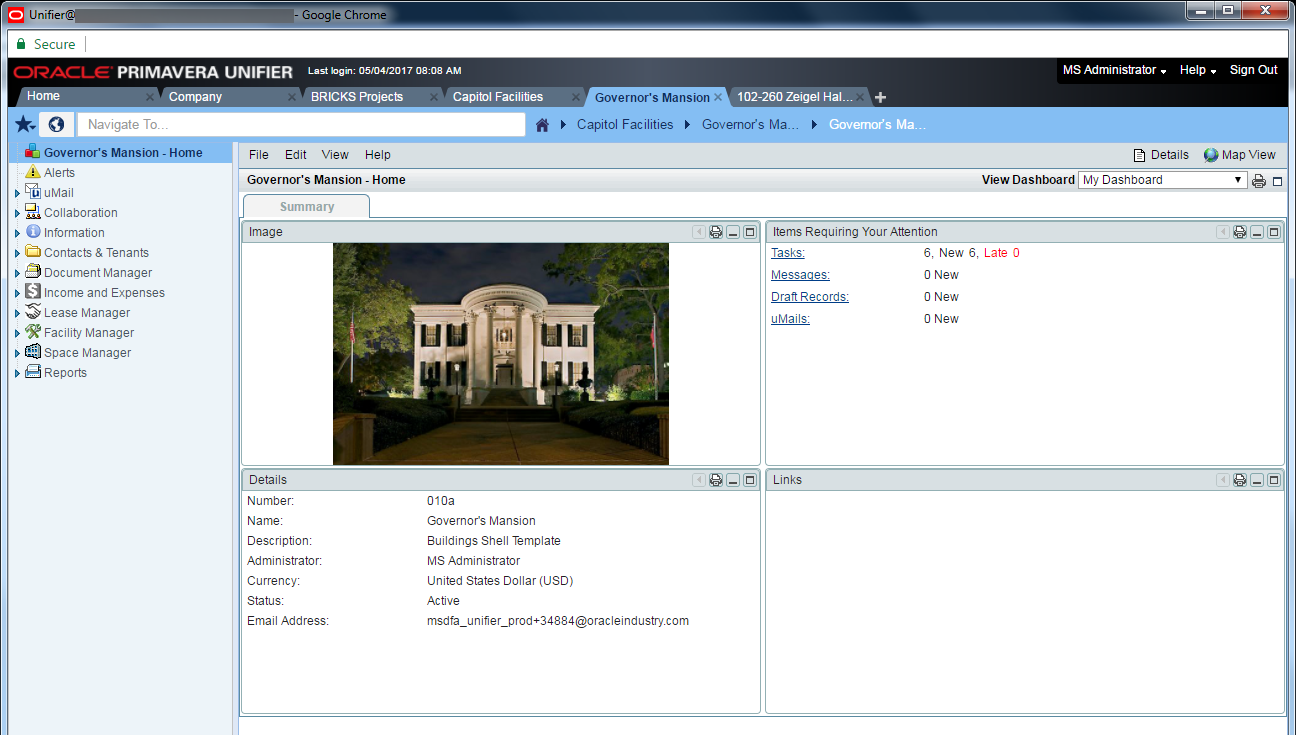
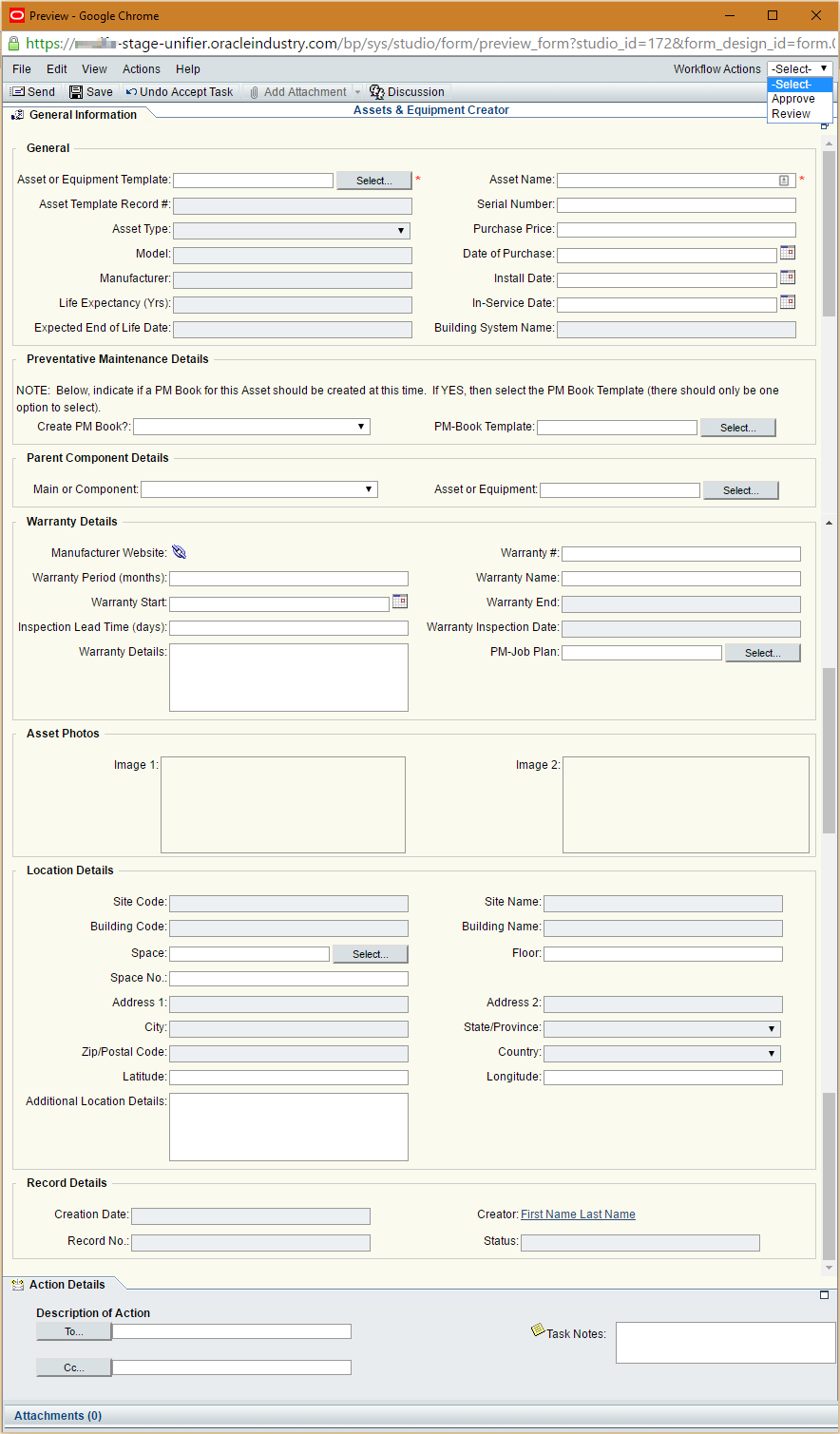
Implementing a powerful platform like Oracle Primavera Unifier is as much about people and processes as it is about technology. My approach centers on a deep-dive discovery phase where I interview stakeholders from every department—from finance and procurement to field operations and executive leadership. By documenting the unique pain points and legacy workflows of each group, I ensure the final Unifier build isn't just a "software install," but a precision-engineered solution that automates their specific business logic and eliminates manual bottlenecks.

Oracle Certified Professional Implementation Specialist
2016 - Pearson } VUE
2016 - Pearson } VUE
Implementing a powerful platform like Oracle Primavera Unifier is as much about people and processes as it is about technology. My approach centers on a deep-dive discovery phase where I interview stakeholders from every department—from finance and procurement to field operations and executive leadership. By documenting the unique pain points and legacy workflows of each group, I ensure the final Unifier build isn't just a "software install," but a precision-engineered solution that automates their specific business logic and eliminates manual bottlenecks.
Custom Built Tools
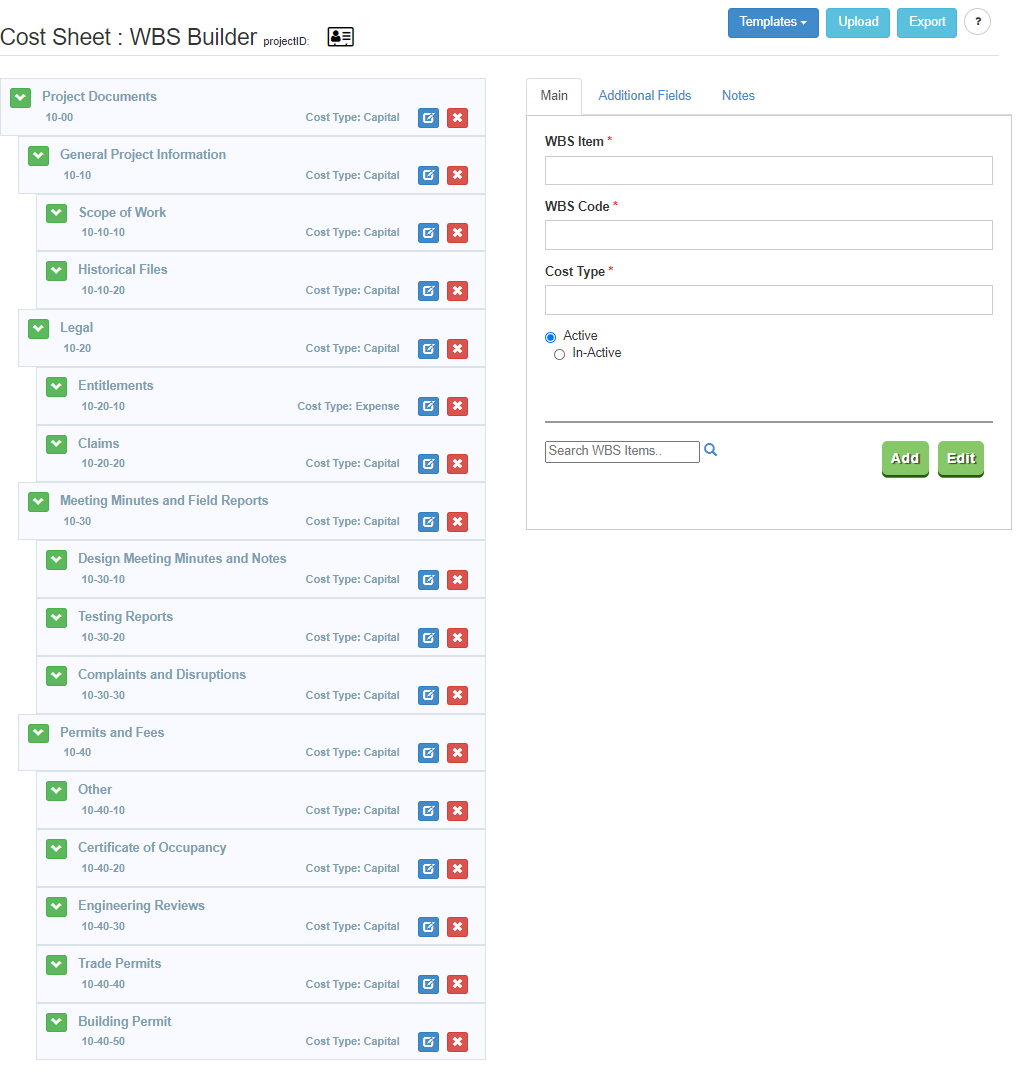
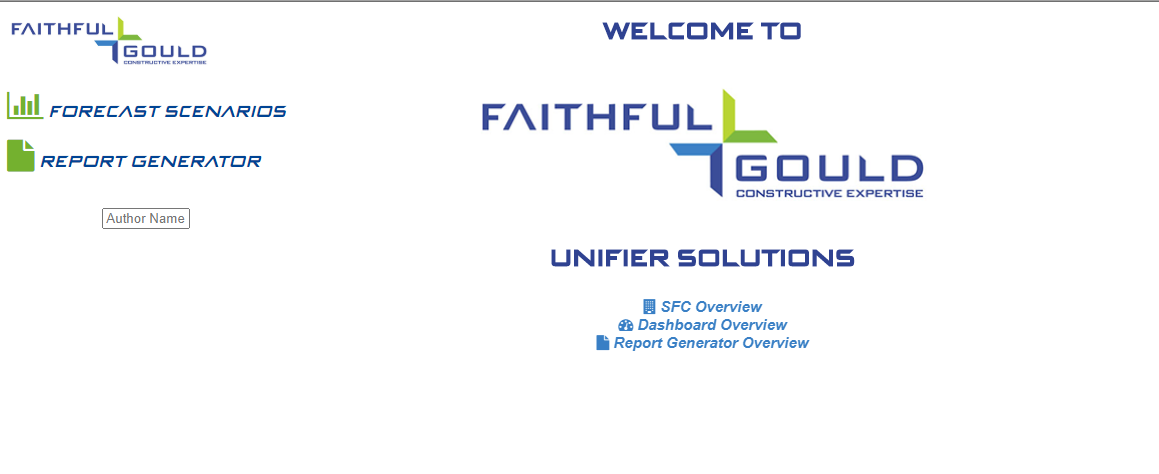
To maximize efficiency and accuracy during the deployment phase, I developed a suite of proprietary implementation tools designed to bridge the gap between client requirements and a live Unifier environment. One of the cornerstone utilities is a WBS (Work Breakdown Structure) Builder, which automates the ingestion of complex project hierarchies, ensuring that financial data remains synchronized across all modules from day one.
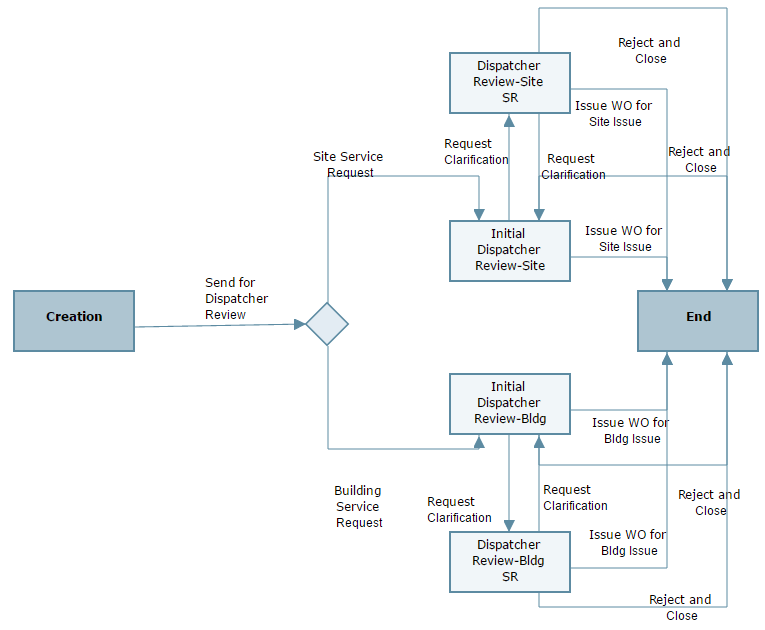
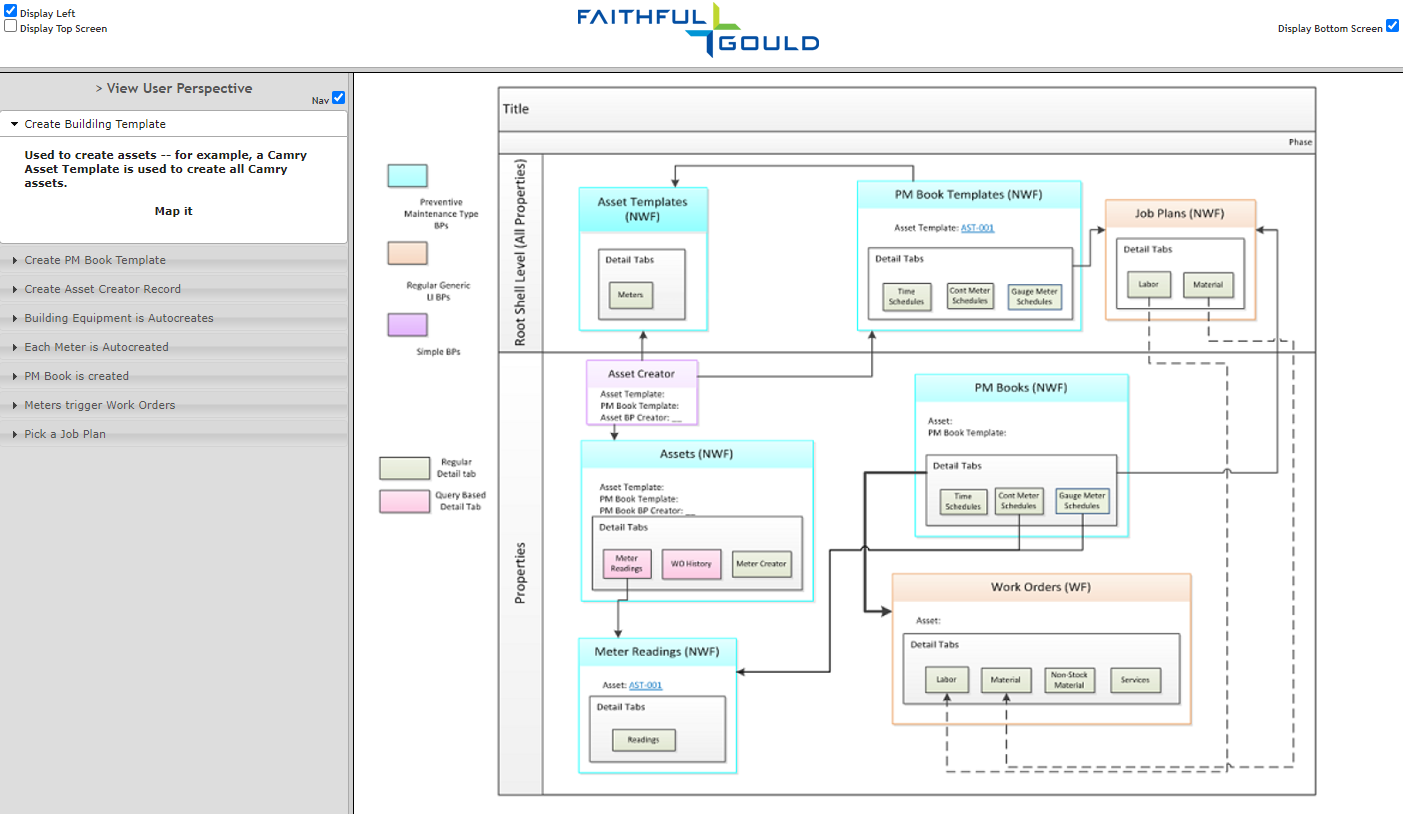
Additionally, I created a Business Process Workflow Walkthrough—a visual, interactive mapping tool that allows stakeholders to "test drive" their custom approval cycles before they are fully configured in uDesigner. By providing this high-level transparency early in the process, I am able to reduce UAT (User Acceptance Testing) cycles and ensure that the final digital workflow aligns perfectly with the client's real-world operational needs.
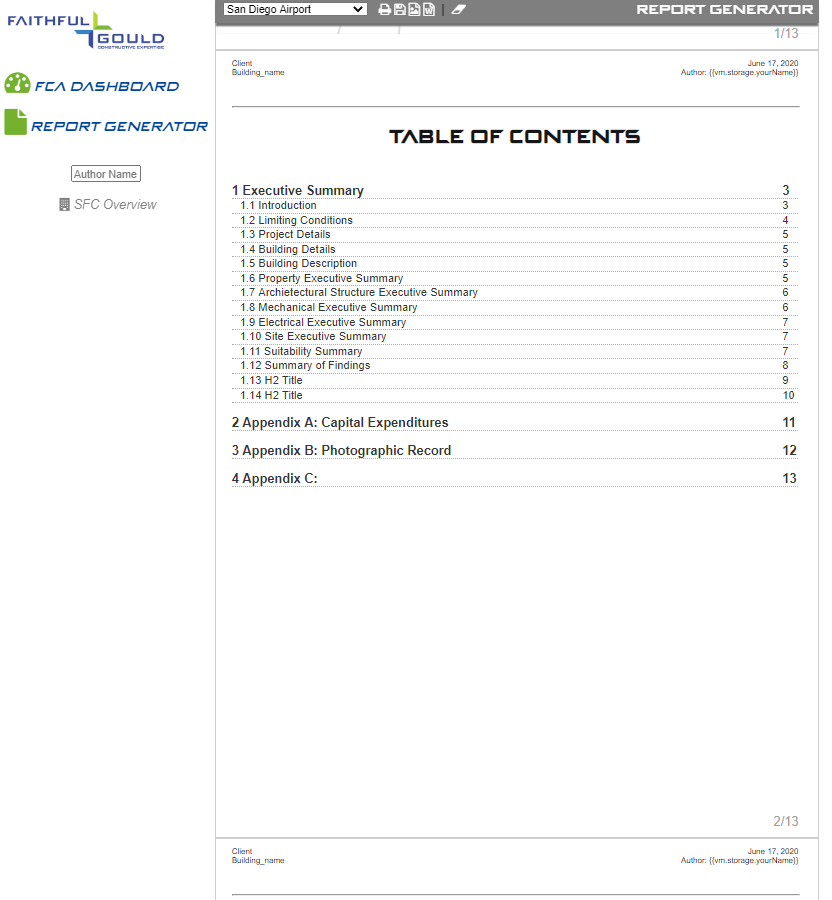
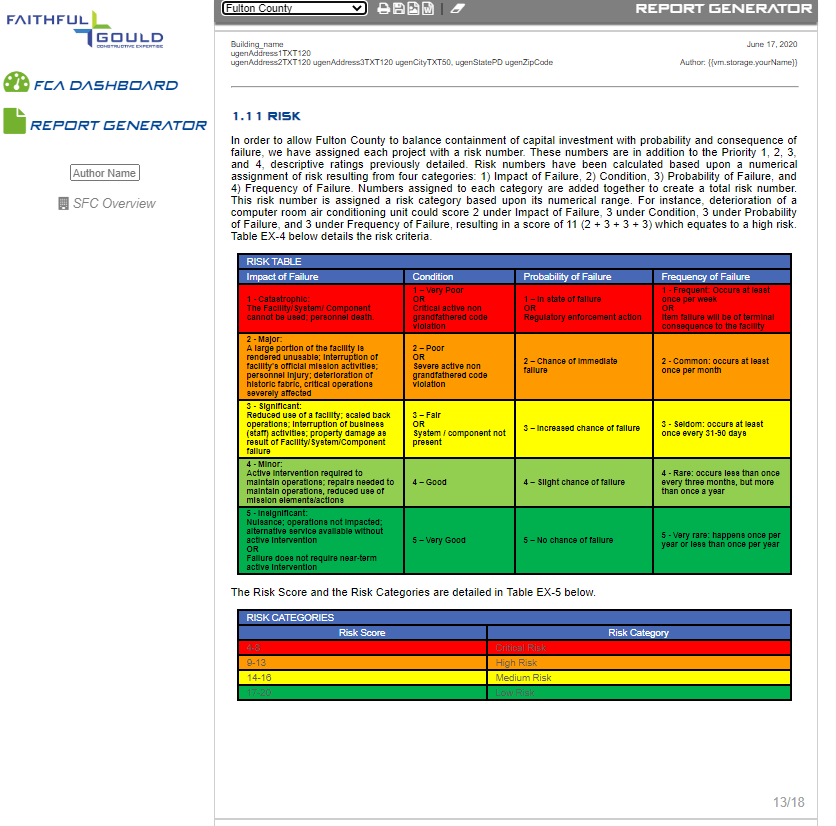
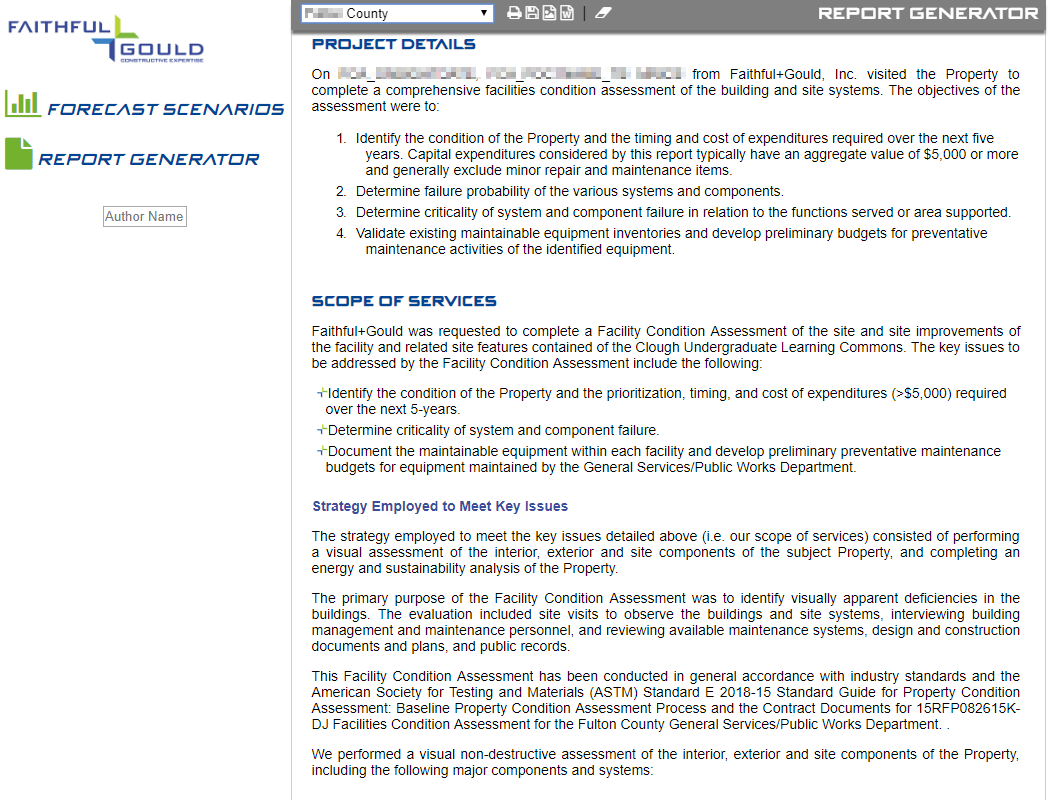
To round out this toolkit, I engineered a Custom Report Generator that leverages the Unifier API to bypass the limitations of standard out-of-the-box reporting. By programmatically pulling real-time data directly from the Unifier environment, this tool allows for the creation of complex, cross-module dashboards and high-level executive summaries that are often difficult to achieve through traditional interfaces. This automation ensures that decision-makers have instant access to mission-critical KPIs—such as real-time budget variances or procurement bottlenecks—without the need for manual data exports or tedious spreadsheet manipulation.
Additionally, I created a Business Process Workflow Walkthrough—a visual, interactive mapping tool that allows stakeholders to "test drive" their custom approval cycles before they are fully configured in uDesigner. By providing this high-level transparency early in the process, I am able to reduce UAT (User Acceptance Testing) cycles and ensure that the final digital workflow aligns perfectly with the client's real-world operational needs.
To round out this toolkit, I engineered a Custom Report Generator that leverages the Unifier API to bypass the limitations of standard out-of-the-box reporting. By programmatically pulling real-time data directly from the Unifier environment, this tool allows for the creation of complex, cross-module dashboards and high-level executive summaries that are often difficult to achieve through traditional interfaces. This automation ensures that decision-makers have instant access to mission-critical KPIs—such as real-time budget variances or procurement bottlenecks—without the need for manual data exports or tedious spreadsheet manipulation.
Google App Script

Make it work for you!










Google Workspace
Business Processes Workflows
Make it work for you!
WordPress: Powering the Modern Web
With over 40% of the internet running on its architecture, WordPress is the undisputed leader in Content Management Systems. Its dominance stems from its incredible scalability—evolving from a simple blogging platform into a robust enterprise engine capable of powering complex e-commerce stores, news portals, and membership sites.
My approach to WordPress goes far beyond basic templates; I treat it as a flexible framework where I can combine the platform's core stability with custom development to meet specific business goals. By balancing user-friendly content editing with high-performance backend architecture, I deliver sites that are as easy to manage as they are powerful to run.
My approach to WordPress goes far beyond basic templates; I treat it as a flexible framework where I can combine the platform's core stability with custom development to meet specific business goals. By balancing user-friendly content editing with high-performance backend architecture, I deliver sites that are as easy to manage as they are powerful to run.
WPmu Dev: The Foundation

For high-stakes WordPress projects, I rely on the WPMU DEV ecosystem—an award-winning suite that combines agency-grade hosting with a powerful centralized management hub. Their dedicated WordPress hosting is built on a self-healing architecture with isolated resources, ensuring that each site stays lightning-fast and stable even under heavy traffic. By leveraging their global CDN and Web Application Firewall (WAF), I provide my clients with a hosting environment that is not only optimized for performance but also SOC 2 Type II certified for enterprise-level security and compliance.
Beyond hosting, WPMU DEV provides a suite of "set-and-forget" Pro plugins that I use to harden and optimize every site I build. I implement Defender Pro for multi-layered security—including malware scanning, firewall protection, and two-factor authentication—and Hummingbird Pro for elite performance tuning and browser caching. To ensure total peace of mind, I use Snapshot Pro for automated, incremental off-site backups and Uptime Monitor, which pings the site every two minutes to ensure maximum availability. This integrated toolkit allows me to maintain a "healthy" site environment without the compatibility headaches of mixing-and-matching third-party plugins.
Page Builders
In the world of professional WordPress development, the choice of a page builder determines the balance between design flexibility and site performance. My primary tool of choice is Oxygen Builder, which I prefer for its clean, "developer-first" approach.

Unlike traditional builders that often bloat a site with unnecessary code, Oxygen allows me to build from a visual canvas while outputting lean, efficient HTML and CSS. This results in superior site speeds and a "closer-to-the-metal" control over the Document Object Model (DOM), making it the ideal choice for high-performance, bespoke websites that need to pass every Core Web Vitals test with flying colors.
While Oxygen is my preferred engine for custom builds, I am highly adaptable and proficient in the industry’s most popular visual editors. I have extensive experience navigating the massive ecosystem of Elementor, the modular structure of WPBakery, and the design-heavy environment of Divi. My focus is always on the client’s long-term needs; whether the project requires a complex, feature-rich site built with Beaver Builder or a highly stylized layout in Avada, I ensure the backend remains organized and the frontend remains responsive. This versatility allows me to step into any existing WordPress environment and immediately begin optimizing, redesigning, or expanding its capabilities.
While Oxygen is my preferred engine for custom builds, I am highly adaptable and proficient in the industry’s most popular visual editors. I have extensive experience navigating the massive ecosystem of Elementor, the modular structure of WPBakery, and the design-heavy environment of Divi. My focus is always on the client’s long-term needs; whether the project requires a complex, feature-rich site built with Beaver Builder or a highly stylized layout in Avada, I ensure the backend remains organized and the frontend remains responsive. This versatility allows me to step into any existing WordPress environment and immediately begin optimizing, redesigning, or expanding its capabilities.
WooCommerce

When it comes to transforming a website into a high-revenue digital storefront, WooCommerce is my platform of choice. Built on the solid foundation of WordPress,
WooCommerce offers an unparalleled blend of flexibility and power, allowing me to create shopping experiences that are fully customized to a brand's unique identity. From managing thousands of SKUs to integrating complex shipping rules and global tax configurations, I leverage WooCommerce to build stores that aren't just catalogs, but comprehensive business engines. My focus is on creating a frictionless path to purchase, ensuring that the user journey—from landing page to secure checkout—is fast, intuitive, and optimized for conversion.
Plugin: Advanced Custom Fields
While WordPress is powerful out of the box, Advanced Custom Fields (ACF) is the secret ingredient that transforms it from a standard blogging platform into a fully-fledged, domain-specific Content Management System. ACF allows me to move beyond the limitations of the default "Title" and "Content" boxes by creating tailored data structures for any specific need—whether it’s tracking technical specifications for an e-commerce product, managing speaker bios for an event, or handling complex metadata for real estate listings. By defining these custom "data containers," I ensure that clients have a clean, intuitive editing interface on the backend that perfectly mirrors the specialized layout of the frontend.

WooCommerce offers an unparalleled blend of flexibility and power, allowing me to create shopping experiences that are fully customized to a brand's unique identity. From managing thousands of SKUs to integrating complex shipping rules and global tax configurations, I leverage WooCommerce to build stores that aren't just catalogs, but comprehensive business engines. My focus is on creating a frictionless path to purchase, ensuring that the user journey—from landing page to secure checkout—is fast, intuitive, and optimized for conversion.
Joomla
Joomla
Hello
Adobe Creative Cloud

To complement my technical development skills, I utilize the Adobe Creative Suite to ensure that every project is as visually stunning as it is functionally sound. By integrating industry-standard design tools into my workflow, I bridge the gap between raw code and compelling user experiences.
I use Photoshop for high-fidelity image manipulation and web asset optimization, while Illustrator serves as my primary engine for creating crisp, scalable vector graphics and logos that maintain perfect clarity on any screen size. This mastery of static design ensures that the "web presence" we discussed earlier is professional, branded, and high-impact.


Graphic Design
Photoshop
Illustrator
Corel
Illustrator
Corel
Video Production
After Effects
Premiere
Animate
Premiere
Animate
Digital Signage

Kiosk
Koisk
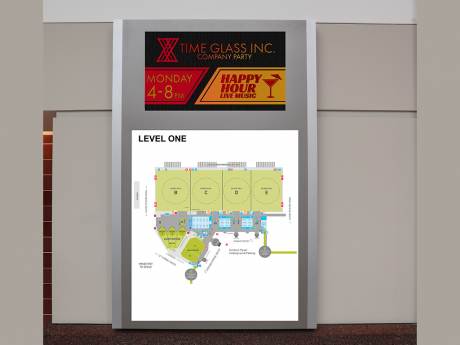
KIOSK: There are 2 Kioks located next to the escalators on the main floor.
Software: Photoshop CC, After Effects CC, Animate CC, Spinetix Elementi
Outside Marques
Koisk
Marques: : Approaching the main entrance, you'll find two large outside marques showing current & upcoming events.
Software: Photoshop CC, After Effects CC, Animate CC, Spinetix Elementi
Video Wall
Video Wall

Readerboards & Overheads
Koisk